

How census boundaries and housing patterns affect income data
Many people think a zip code shows one income level. They look at income data for a specific zip code and expect it to match everyone living there. The truth is different. Income often varies widely inside the same zip code.
This confusion happens because income does not follow zip code boundaries. People did not create zip codes for studying money. Someone created them for mail delivery.
To understand why income varies by zip code, you need to know how zip codes work. You also need to understand how the U.S. Census Bureau reports income data and how service areas operate. The Census Bureau publishes income using ZIP Code Tabulation Areas (ZCTAs), which are generalized statistical areas built from 2020 Census tabulation blocks.
Why Zip Code Boundaries Do Not Match Income Patterns
The United States Postal Service (USPS) created zip codes to help with efficient mail routing. Their job is to organize delivery routes, not to define neighborhoods or income groups.
According to the USPS, zip codes exist to improve mail routing efficiency. They may change based on delivery needs, not based on who lives there. Learn more about USPS ZIP Code basics and FAQs.
Because of this, zip code boundaries often combine vastly different areas. A single zip code may include apartment buildings, older neighborhoods, and new single-family homes. These housing types often show significantly different income levels.
When you add income at the zip level, you average those differences together. The result is a number that rarely shows how people actually live or spend.
How the U.S. Census Bureau Uses Zip Code Tabulation Areas
The U.S. Census Bureau does not use USPS delivery routes directly when it shares income data. Instead, the Census Bureau creates zip code tabulation areas. People often call these code tabulation areas (ZCTAs).
The Census Bureau says it makes ZCTAs by grouping tabulation blocks. This creates areas that look like postal zip codes.
These show statistical data. This includes income data. The data is available at the zip code level in the United States and Puerto Rico.
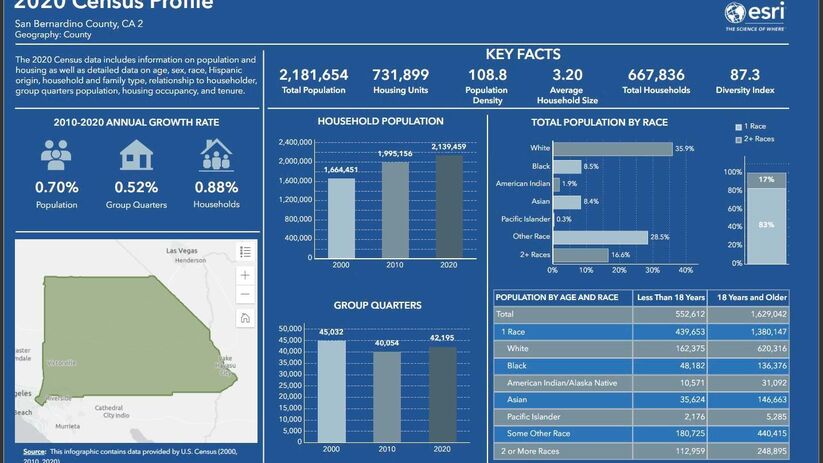
Important facts about ZCTAs include:
- ZCTAs are generalized area representations
- They may include PO box-only locations
- They may not match USPS delivery routes
- ZCTAs are generalized by design
This system lets the Census Bureau publish income data. But it also explains why zip-level numbers can feel wrong.
Housing Types Create Income Clusters
Housing type is one of the biggest reasons income varies.
Within the same zip code, you may find:
- High-density apartment housing
- Older mixed neighborhoods
- New developments of single-family homes
Research from the 2020 census shows that housing density and housing age strongly affect income spread within census areas. The housing characteristics and income patterns data illustrates this clearly.
Higher-density housing often lowers the median income, even when higher-income families live nearby. Income data averages these groups into one number. This hides what is profoundly happening inside the zip code.
Why Neighboring Zip Codes Can Look Misleading
Commonly, neighboring zip codes or adjacent zip codes exhibit strikingly different income levels. This does not always show true differences in lifestyle or buying power.
This happens because:
- Census boundaries do not match real neighborhoods
- Zoning splits housing unevenly
- Postal service USPS zip code service areas follow delivery needs, not income patterns
The Census Bureau confirms that ZCTAs do not always match local views of neighborhood lines. Review the geographic areas and ZCTA limitations for more details.
Income Data and Real Service Areas
Income data shows where people live. It does not always show where they call from.
Real service areas often cross multiple zip code tabulation areas. Higher-income households may live near lower-income zones. Calls may come from work locations, nearby zip codes, or shared shopping areas.
This explains why income data at the zip level can conflict with lead quality. The caller’s income may not match the income profile shown in a single data set.
Why Income Variation Matters for Pay Per Call
Pay Per Call campaigns depend on call quality, not just volume. When people treat income data too strictly, they can make poor choices.
These include:
- Blocking zip codes that have qualified callers
- Spending too much in areas that look good on paper
- Not understanding how service areas actually work
Income data works best when paired with intent signals and call behavior, not used as a hard rule.
For a complete guide, see our article on pay-per-call for service businesses.
How This Article Fits Into the Series
This article builds on earlier topics in this series:
This post covers the boundary problem specifically, but the series starts with why choosing ZIP codes by income improves pay-per-call results. For the basics of how ZIP codes work, see how ZIP codes are actually defined and what median household income measures. And for the behavioral side: why income data alone won’t predict call quality.
Frequently Asked Questions
Why does income vary within the same ZIP code?
Because zip codes often include different housing types. Apartments, older homes, and single-family homes can exist in the same zip code. Income data averages these differences together.
Are zip code tabulation areas the same as postal zip codes?
No. Zip code tabulation areas are statistical areas created by the U.S. Census Bureau. They look similar to postal zip codes but are not exact matches.
Why do adjacent zip codes show different income levels?
Census boundaries rely on tabulation blocks instead of real neighborhoods. Housing density and zoning often split income groups across these lines.
Does income data reflect disposable income?
No. Income data shows total household income before expenses like taxes, housing, and insurance.
How should we use income data for targeting?
Income data should guide decisions, not control them. The best results come from combining income insights with intent signals and call screening.